Diverticular Disease: What It Actually Is (and What Helps)
Diverticulosis. Diverticular disease. Diverticulitis. People use these like they mean the same thing. They don't.
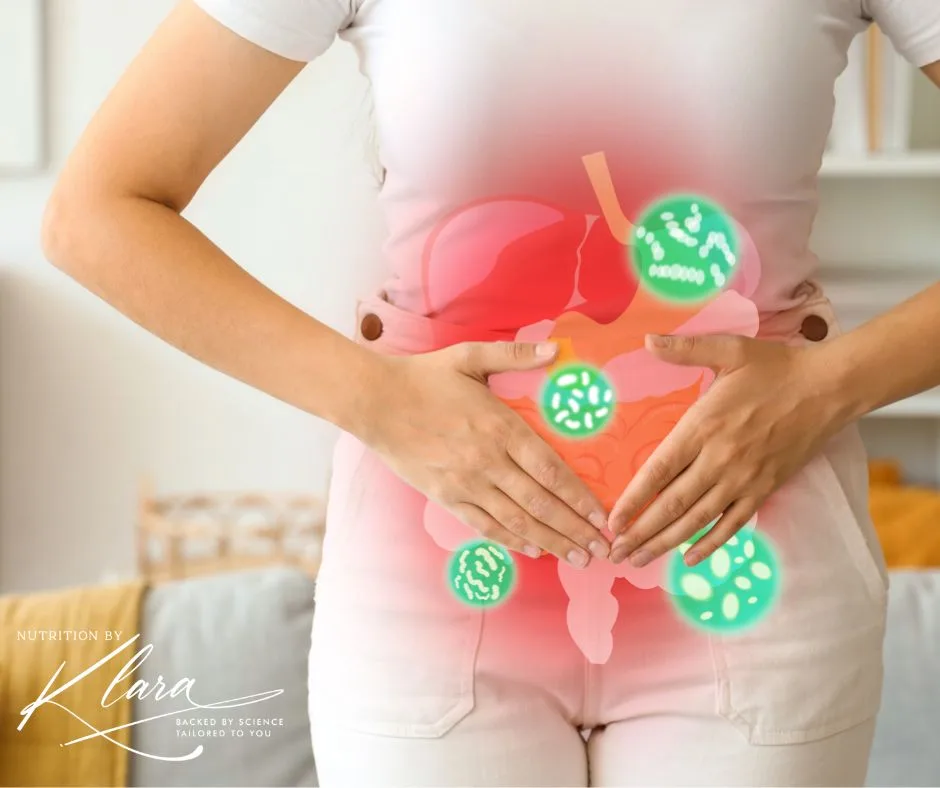
Diverticula are just small pouches that form in the bowel wall, usually on the left side. If you've got them and nothing's happening, that's diverticulosis. Full stop, no drama. If they start causing pain or messing with your bowel habits, now it's diverticular disease. And if they get inflamed or infected that's diverticulitis, and that one can actually need medical treatment, not just diet tweaks.
Here's the thing though: loads of people have diverticulosis and never know it. Others get hit with flare-ups that are honestly miserable. Lots of cramping, bloating, bowel habits that just won't behave. And because the symptoms overlap with a dozen other gut issues, it gets missed or misdiagnosed a lot . Why it happens
We don't fully know. But low fibre keeps coming up, again and again, as one of the biggest risk factors. Which okay, not exactly shocking, given how most of us eat. Lots of processed food, not much in the way of actual whole plants. Fibre does more than "keep you regular." Your gut bacteria ferment it and turn it into short-chain fatty acids — and those are basically fuel for the cells lining your intestine. That's a big part of how inflammation stays in check. Soluble fibre (oats, for example) helps with cholesterol too. Skip the fibre, and the bowel has to work harder to push things through. Do that for years and well, that's part of how these pouches show up in the first place.
So how much fibre do you actually need?
Somewhere around 25-30g a day. Most people aren't close. Not because it's hard, really just because refined carbs have taken over most plates without anyone really noticing. Practically, it looks like: more fruit and veg, swapping white bread and rice for wholegrain, and getting legumes, nuts and seeds into rotation regularly and not just when you remember. And nuts and seeds: remember you're allowed them. That old "avoid seeds if you have diverticulosis" advice? Outdated. Doesn't hold up. If anything, they might be protective.
What a day might look like Nothing fancy: Oats with grated apple and a bit of flaxseed for breakfast. Plain yoghurt and a wholegrain cracker snack or mid-morning. Brown rice with a veg-based lunch, maybe a soup alongside. A pear and a few nuts in the afternoon if you're tolerating them fine. Steamed veg, lentils, wholegrain bread for dinner. It's not complicated, it's just consistent.
What to go easy on:
White bread, pastries, anything sugary. Fatty or very spicy processed food. Fizzy drinks, alcohol both can irritate the gut lining. And meat, in large quantities, on the regular and not off the table, just not the main event every day.
And beyond the plate:
Water and herbal teas: hydration matters more than people think here. Movement, even just walking daily, helps keep things moving (literally). Fermented and prebiotic foods feed the bacteria doing a lot of this work behind the scenes. Some natural compounds like curcumin, green tea, pomegranate extract show promise too, but talk to someone before adding them in, not after.
Bottom line:
Go slow with the fibre increase as if you ramp it up too fast, you'll just end up bloated and put off the whole thing. Keep a food diary if you're not sure what's setting you off. And if you've actually been diagnosed please work with someone rather than piecing it together from articles. Step by step beats overhaul, every time. And the most important: be kind and patient with yourself.
If you choose to work with a specialist, they can help you figure out what YOUR gut needs rather than simply handing you a list of foods to eat and avoid.
From analysing your symptoms and food diary, to finding the right fibre sources for you, supporting your digestion and creating a realistic plan you can actually stick to, personalised guidance can make a big difference.
But what does that actually look like?
In my next blog, I’ll take you behind the scenes and show you how I work with someone who has diverticulosis or diverticular disease, step by step.